
Art, Culture, & Heritage
The Publishing division preserves expertise by producing specialized publications and reissuing historic pattern-making methods. The Documentation division provides students with exclusive access to a vast collection of books, periodicals, and archives, supporting research in fashion and design. Finally, the Heritage division safeguards and showcases an exceptional collection, including Alexis Lavigne’s patents and creations, as well as a rich study archive featuring garments that trace the stylistic and educational evolution of the school.”
THE ESMOD EDITION
Where Creativity Meets Fashion Excellence

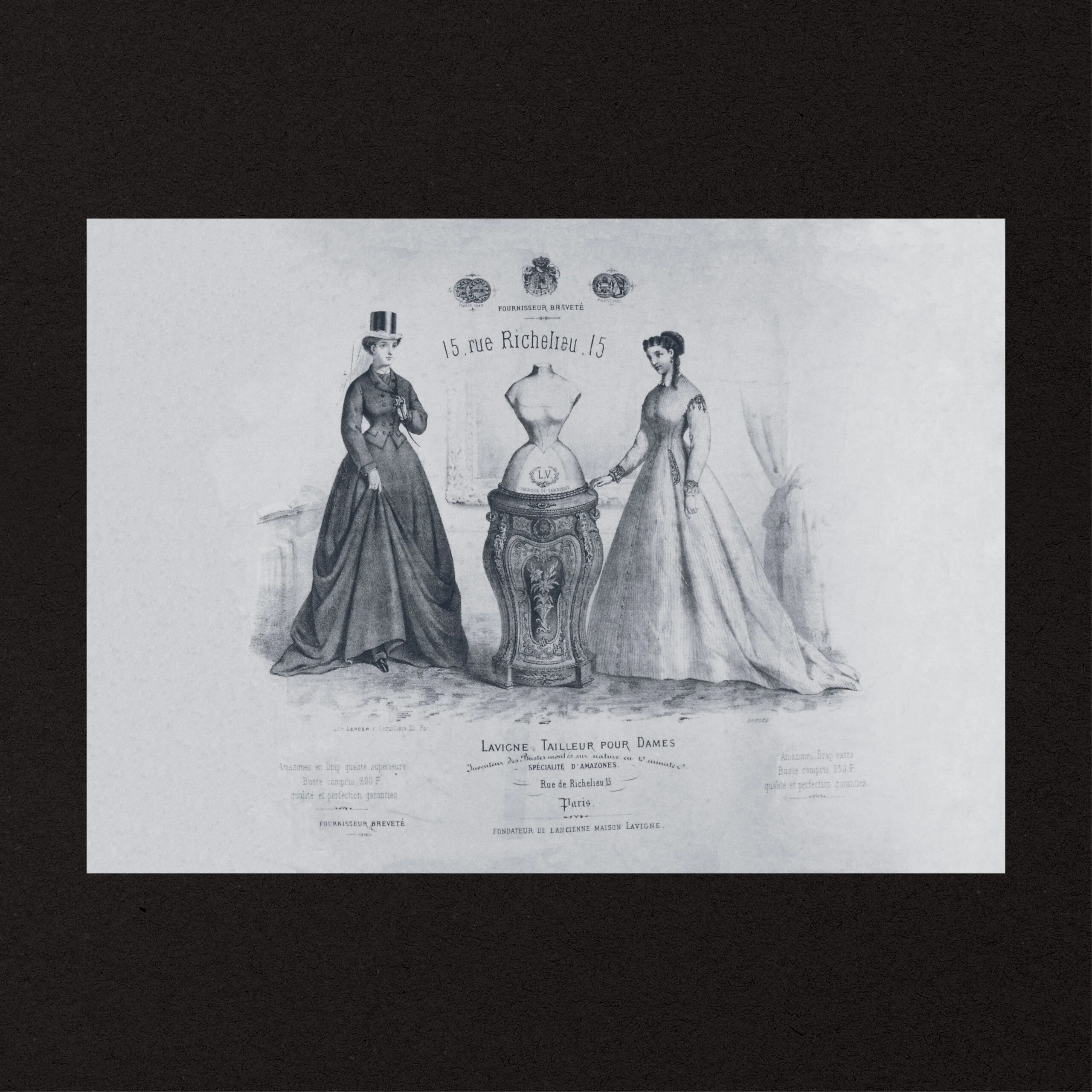
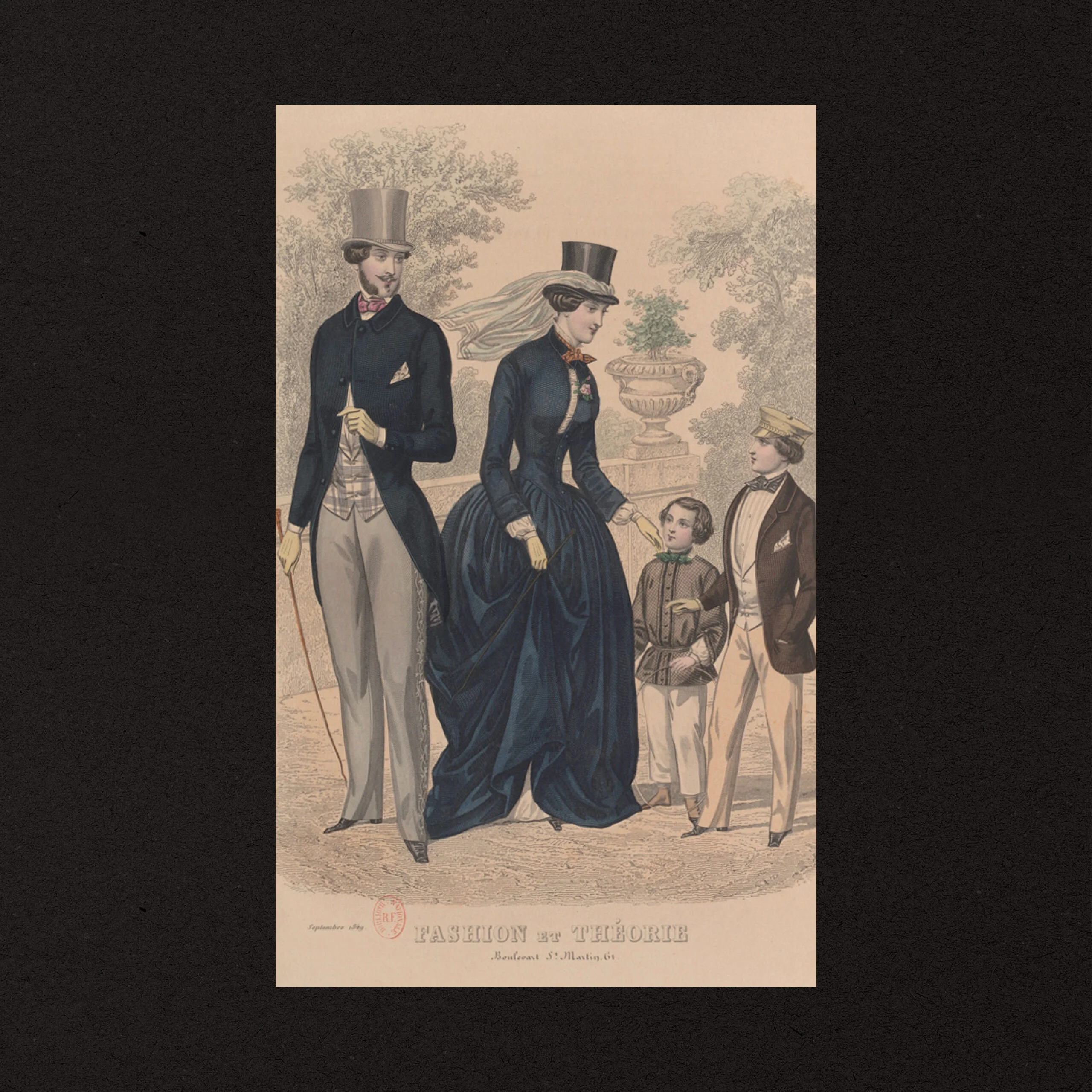
Rooted in the publishing tradition established by Alexis Lavigne—who released his first Tailor’s Method or Complete Cutting Manual in 1841 and served as editor-in-chief of Fashion-Theory starting in 1847—ESMOD Editions continues this legacy by publishing bilingual books aligned with the contemporary educational approaches of Fashion Business and Fashion Design. These publications cover a wide range of topics, from design and pattern-making to fashion history, textile guides, and marketing.
ESMOD Editions also produces male and female dress forms in sizes 36 to 44, preserving the heritage of the patented mannequin created by Alexis Lavigne in 1854. To encourage draping experimentation while reducing fabric use, ESMOD Editions offers a practical, transportable half-mannequin. In addition, our flexible measuring tape reflects the ingenuity of Alexis Lavigne’s visionary and revolutionary inventions—now essential tools for fashion professionals worldwide.
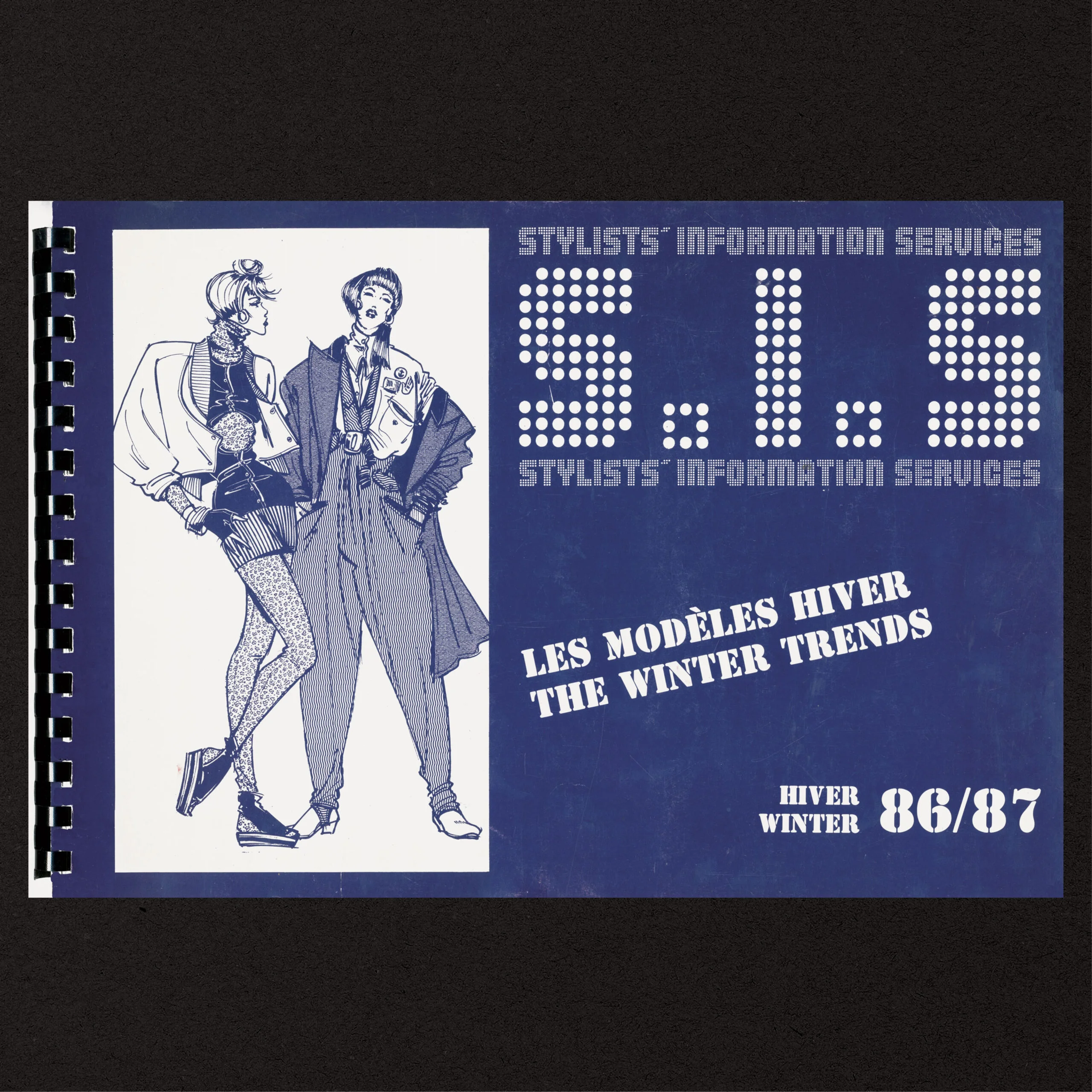
the library
A Curated Collection of Fashion Knowledge

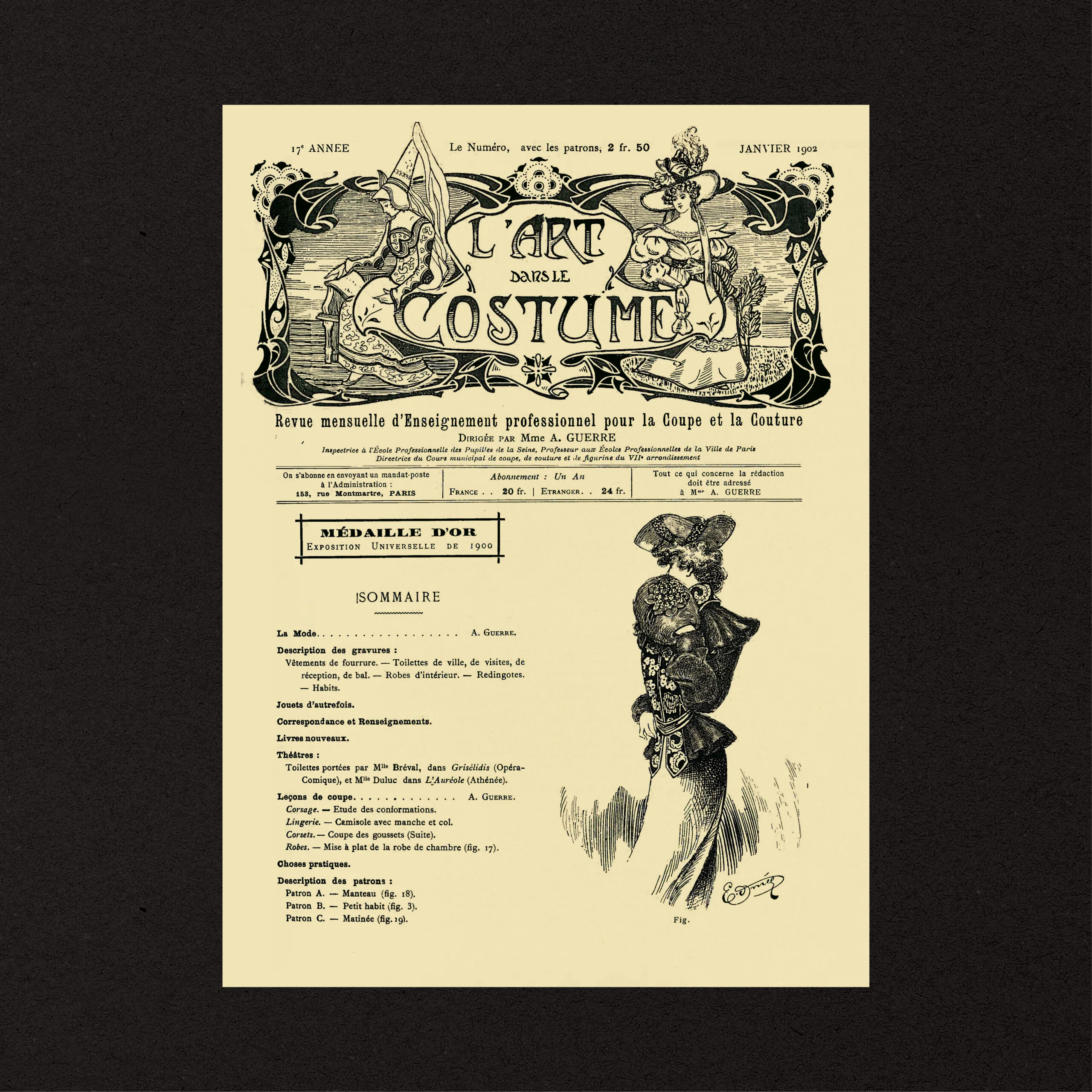
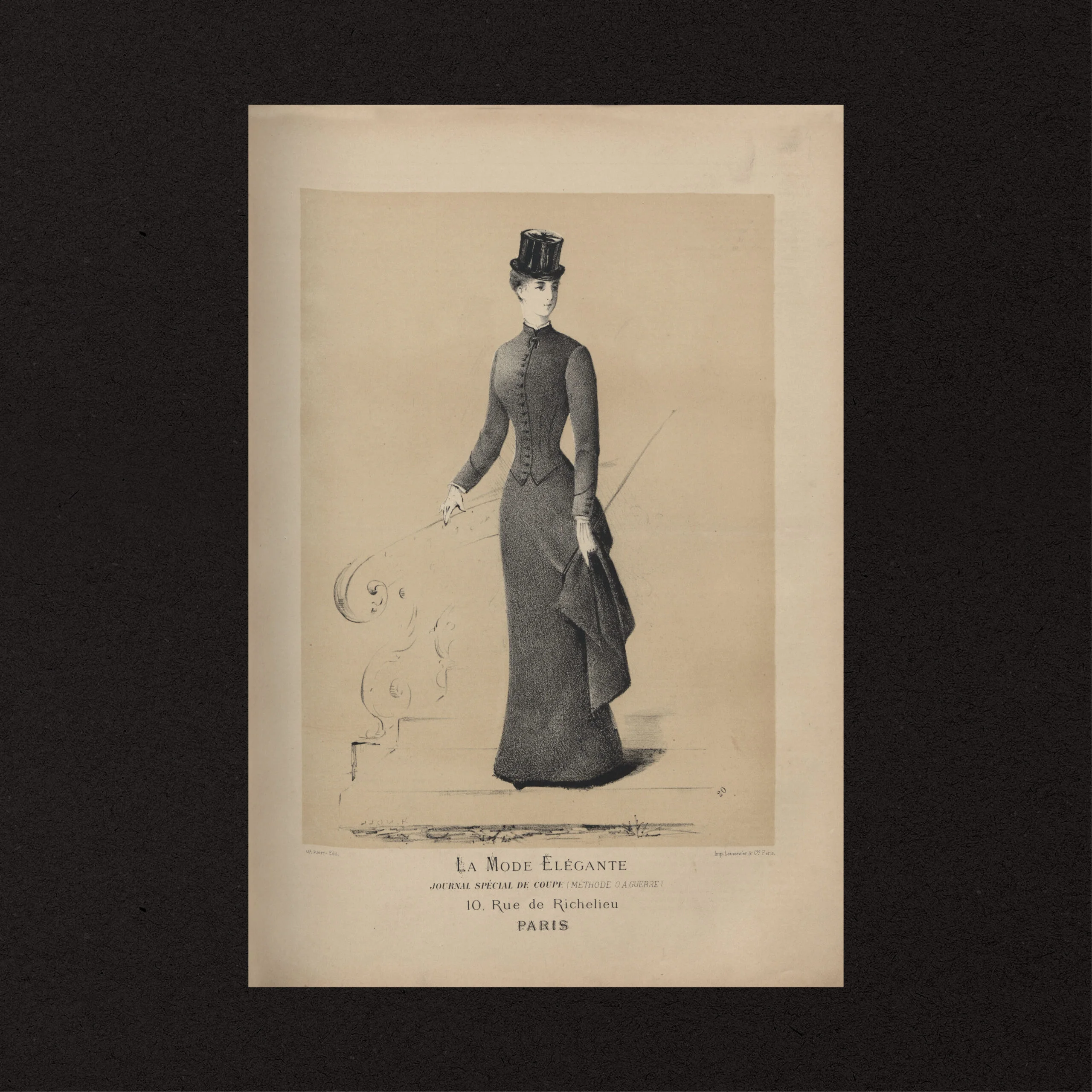
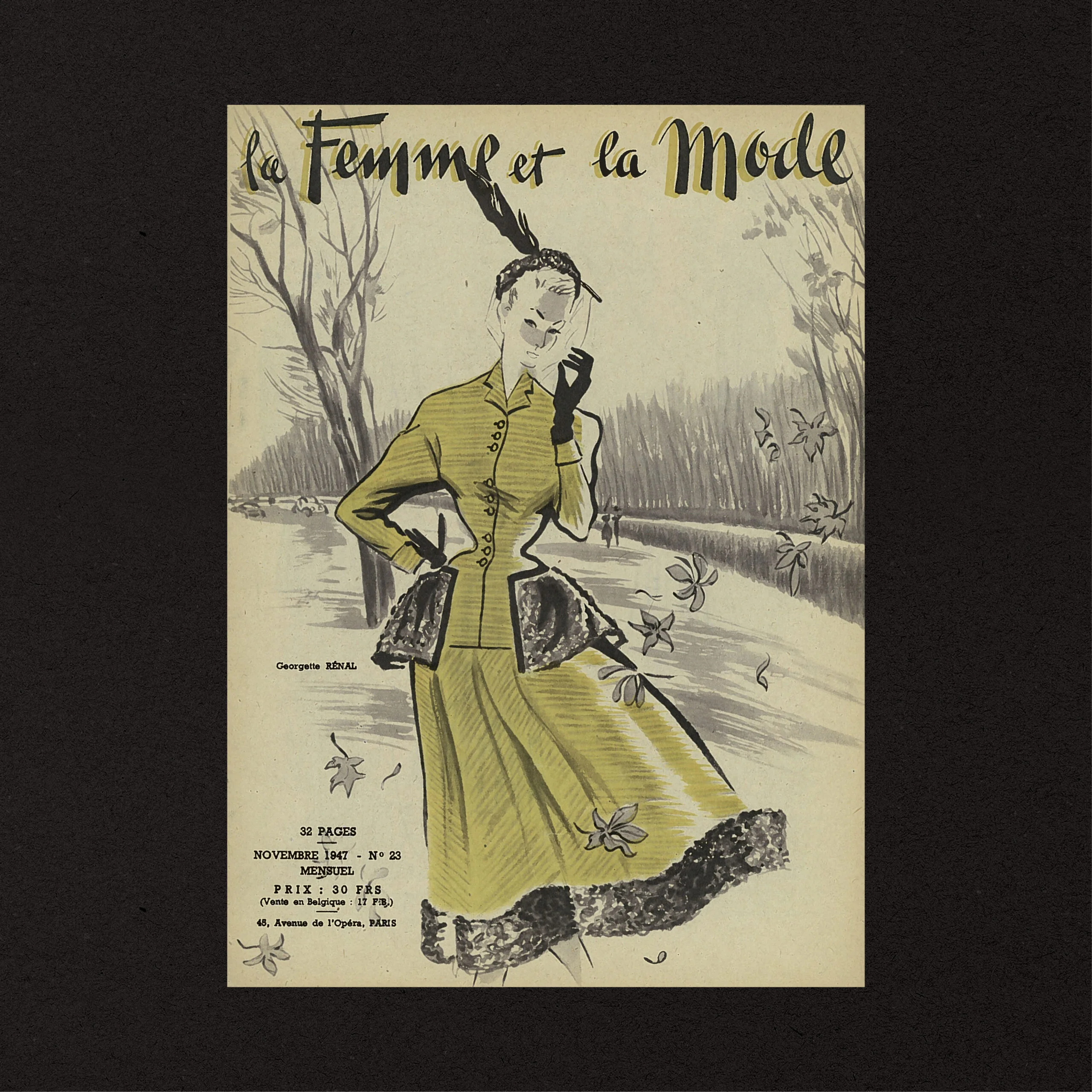
The ESMOD library offers exclusive access to over 4,000 books and 40 years of archives in Fashion Design and Fashion Business, covering fashion, textiles, creative industries, management, and sustainable development. Located at the La Rochefoucauld campus, this space—open Monday through Friday—also houses the Lavigne collection, which includes rare publications such as L’Art dans le Costume (1885–1943). Two online research platforms, Clarivate and the Harper’s Bazaar U.S. archives, further enrich this valuable resource.
archives
A Collection of Our Fashion Legacy
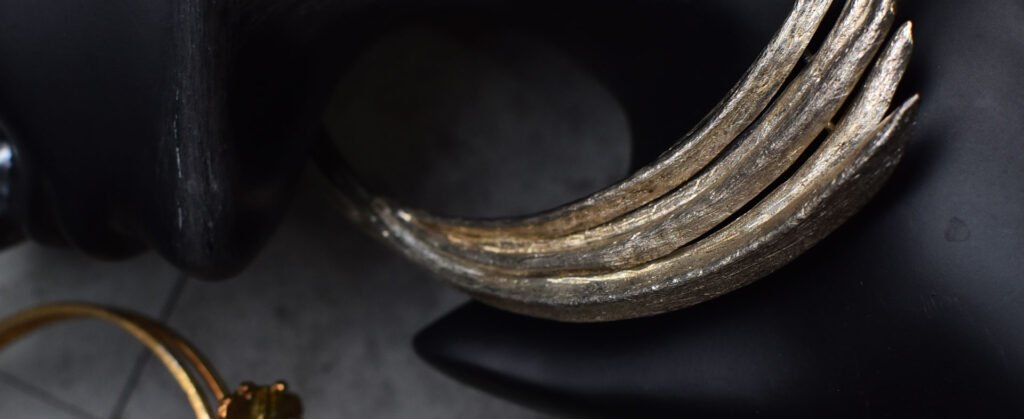
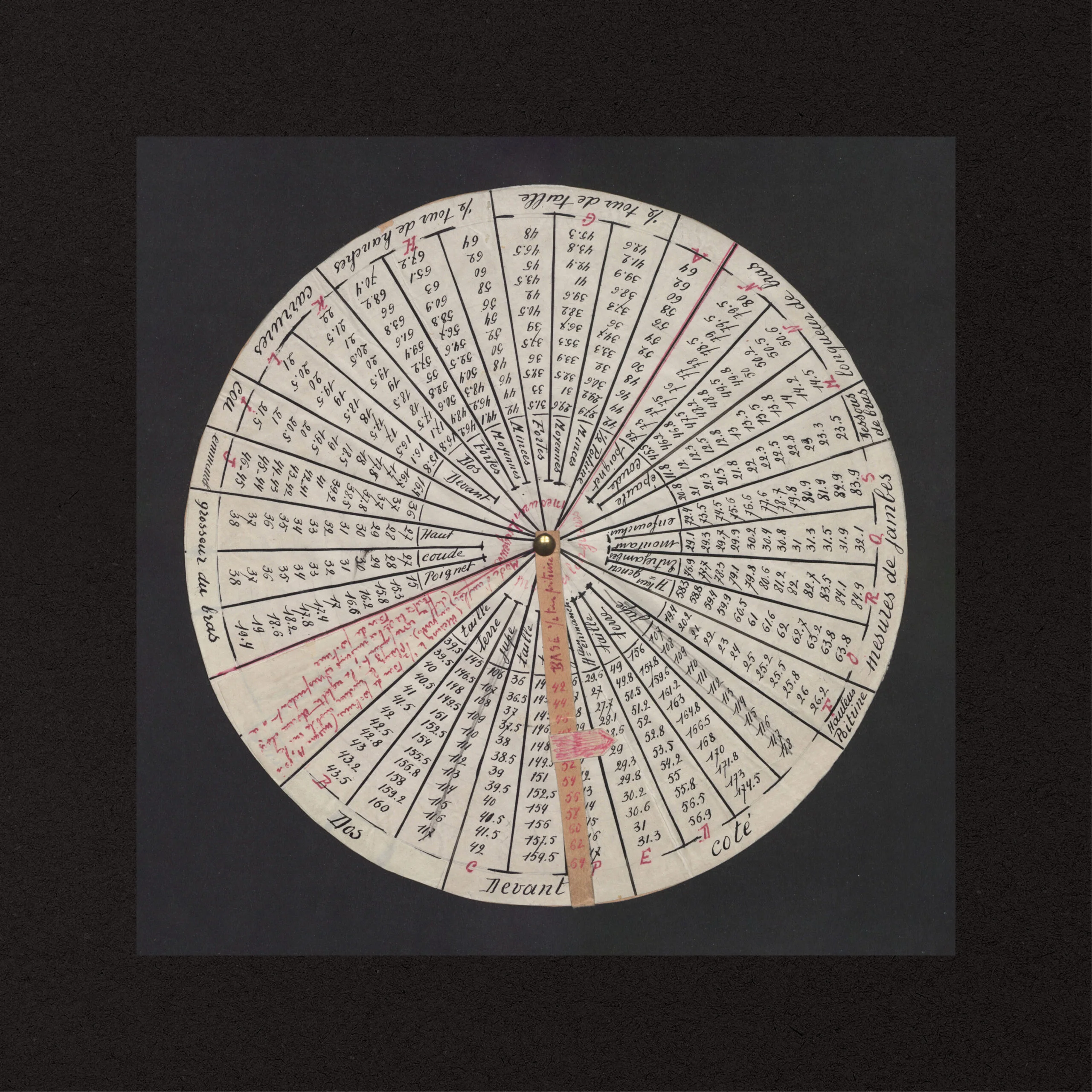
Since 1841, ESMOD has preserved a unique heritage collection, tracing 180 years of innovation through patents, pattern-making methods, handwritten notebooks, and templates. This remarkable resource continues to inspire researchers, historians, and students, fueling their critical thinking and creativity. The study collection— a living archive of garments and accessories spanning from 1750 to today— enriches a multidisciplinary approach that connects fashion, history, art, and technology. Finally, the alumni collection celebrates ESMOD’s creativity and educational excellence, reflecting the school’s stylistic and intercultural evolution over time.
fashion study collection
Where Learning Transforms into Creation
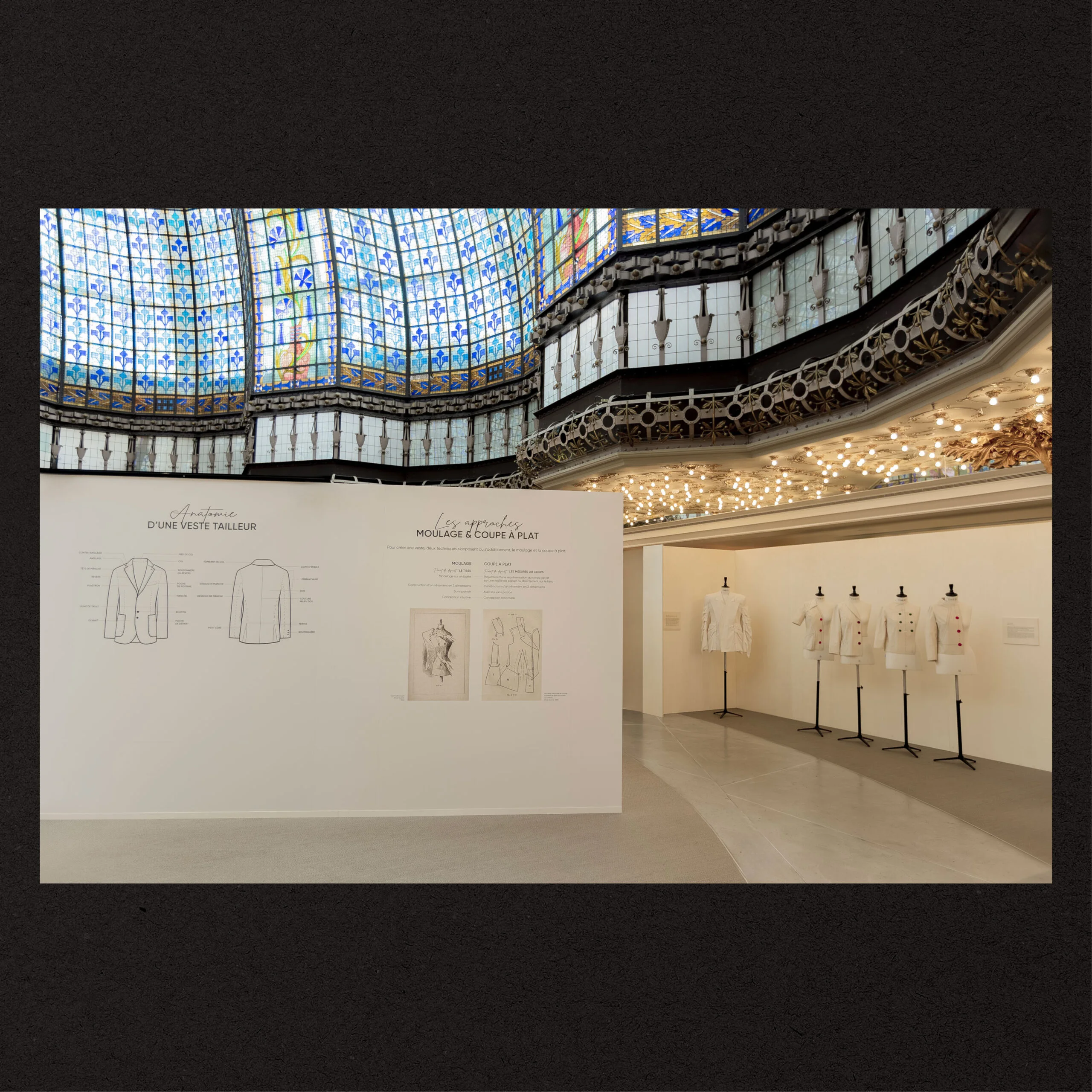
The ESMOD study collection—a living archive of garments and accessories from 1750 to the present day—enriches multidisciplinary education by connecting fashion, history, culture, and technology. A unique resource in France, it inspires both students and professionals through exceptional pieces ranging from everyday garments to conceptual creations. Regular educational sessions ensure its active integration into the curriculum. ESMOD reaffirms its role as a visionary leader in the transmission of craftsmanship and artistic values. This one-of-a-kind heritage continues to inspire current and future generations, bridging tradition and innovation.
ALUMNI COLLECTION
A Showcase of Graduate Excellence and Creative Legacy

The Alumni Collection pays tribute to the creative energy and stylistic expertise that define ESMOD. Reflecting the school’s pedagogical evolution and exceptional craftsmanship, this collection celebrates the intercultural diversity and excellence of graduates who have shaped ESMOD’s legacy.
patterns and inventions
The Foundation of Structure, Form, and Design

Alexis Lavigne, founder of ESMOD, revolutionized fashion with several major inventions. In 1847, he created the flexible measuring tape—now an essential tool for all tailors—and developed a cutting and grading method that allowed patterns to be precisely adapted to different sizes. In 1854, he designed and produced the first dress form for men, women, and children, used for both fittings and garment display. These innovations, preserved in ESMOD’s heritage collection, laid the foundation for modern pattern making and continue to inspire today’s teaching and contemporary design.